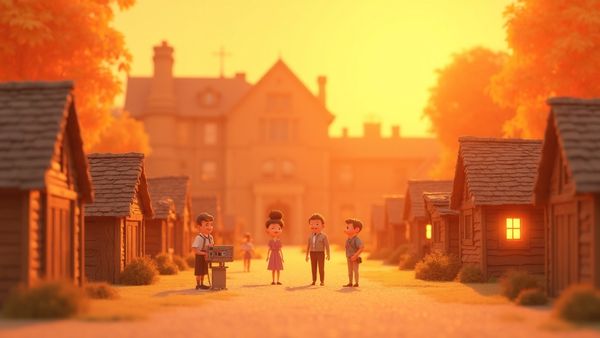
Bletchley Park was Britain's top-secret WWII code-breaking headquarters, codenamed Station X. Nearly 10,000 staff worked there to crack German ciphers like Enigma. This secret work may have shortened the war by over two years!
Imagine a huge, secret village full of super-smart people working day and night, trying to solve the world's toughest puzzles. Does that sound like a spy movie?
Well, it was real! This secret place was called Bletchley Park, and it was Britain's top-secret headquarters for code-breaking during World War II. These codebreakers, operating under the codename Station X, worked to crack the secret messages sent by the enemy, especially Germany's complex Enigma and Lorenz ciphers. Their secret work was so successful that experts believe it might have shortened the war in Europe by more than two years and saved millions of lives!

Mira says:
"Finn, did you know that Bletchley Park was like a giant, real-life escape room that lasted for years? The people there were solving puzzles that kept millions safe—that’s way cooler than any video game!"
What Was Bletchley Park Anyway?
Bletchley Park isn't just one building; it’s a whole country estate located in Milton Keynes, England. Before the war, it was a fancy home belonging to the Leon family. But when World War II started, the British government realized they needed a secret, safe place away from the big city of London to run their code-breaking school, the Government Code and Cypher School (GC&CS).
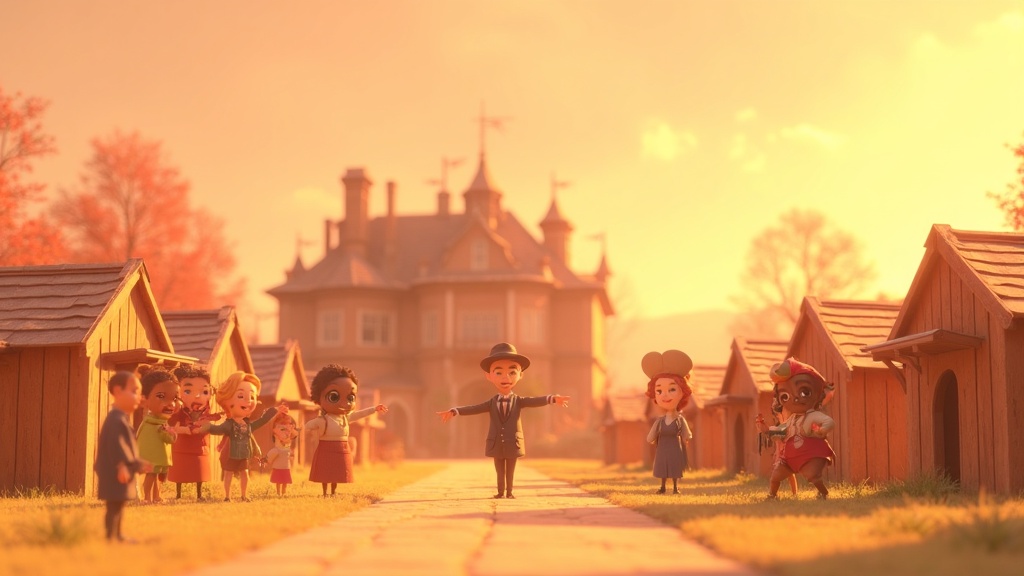
They moved the team there in August 1939, right before the war officially began. The original mansion house was big, but soon they had to build dozens of plain wooden huts all over the grounds to fit everyone and all the new secret equipment!
Mind-Blowing Fact!
Even though Bletchley Park was the most important secret spot in the country, it was only hit by enemy bombs once, in November 1940! The bombs missed the important huts and probably hit the nearby railway station instead, but the code-breaking kept going, even with one hut getting knocked off its foundations!
The Amazing People Who Worked There
To crack codes this difficult, they needed the smartest people around. At first, they looked for what they called 'men and women of a professor type,' trying to find geniuses from universities like Oxford and Cambridge.
But they soon realized they needed thousands of people to help! The staff grew from just 130 people in 1939 to nearly 10,000 people by the end of the war in 1945! These weren't just mathematicians, either. They had linguists, chess champions, people who were great at crosswords, and thousands of others who helped keep the 'factory' running.
were women!
in Europe!
read at their peak!
How Did They Break the Unbreakable Codes?
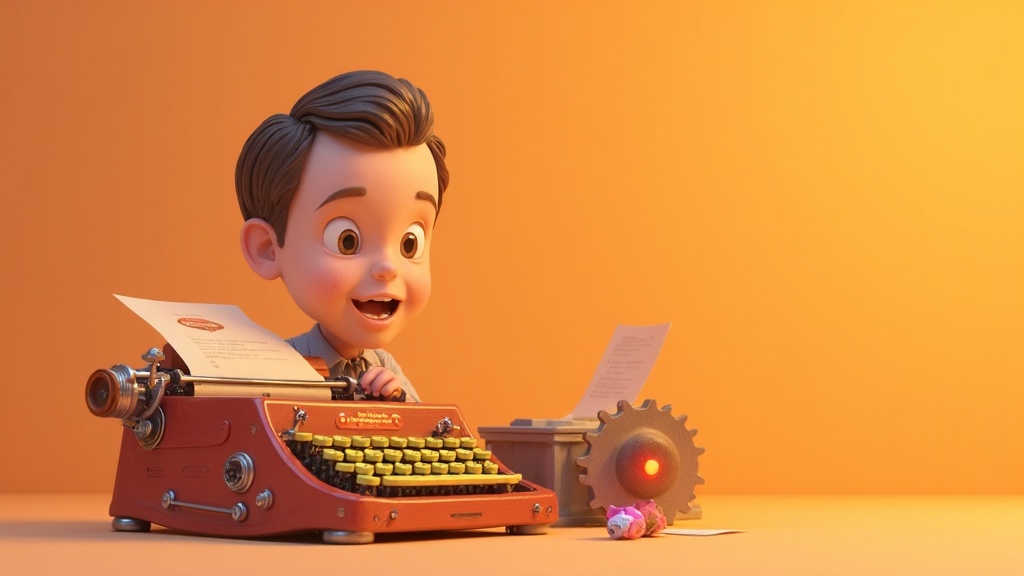
The most famous code they tackled was Enigma, a machine used by the German military to scramble their secret messages. It was like a super-fancy typewriter that changed every letter into something else based on secret settings!
The British team got a huge head start because brilliant mathematicians from Poland had already figured out a lot about Enigma and even built a machine to help crack it, which they shared with the Allies before the war.
The Codebreaking Machines
The codebreakers couldn't do all that heavy lifting by hand, so they invented amazing machines!
The first big helper was the Bombe machine, which was designed by the famous mathematician Alan Turing (with a big boost from Gordon Welchman). The first one, nicknamed 'Victoria,' started working in March 1940.
But the biggest invention was Colossus! This was the world's first programmable digital electronic computer. It wasn't like the computers you use today—it was huge—but it helped sort through the messages from the even more complex Lorenz cipher even faster!
💡 Did You Know?
The codebreakers worked in different 'Huts' for different jobs! Hut 8, for example, focused only on cracking the super-tricky Naval Enigma codes, which were crucial for winning the Battle of the Atlantic against German U-boats!
🎯 Quick Quiz!
What was the name of the main German machine that Bletchley Park worked so hard to crack?
Who Was Alan Turing?
You might have heard the name Alan Turing. He was one of the most brilliant mathematicians working at Bletchley Park. He was a key leader in breaking the Enigma code and helped design the Bombe machine.
Today, he is seen as the 'father of theoretical computer science and artificial intelligence' because of his work there and his ideas about machines that could think!
- Secrecy was #1: For many years after the war, no one could talk about what happened at Bletchley Park! The secrecy was so complete that even locals near the park thought it might be a strange mental hospital!
- The Ultra Intelligence: The secret information they gathered was codenamed 'Ultra' and it gave the Allies a huge advantage on the battlefield.
- It Didn't End in 1945: Codebreaking operations didn't stop right when the war ended; they continued until 1946, and the knowledge gained there helped start the modern computer age!
Bletchley Park truly was a hidden world of genius during WWII. It shows us that sometimes, the biggest battles are won not with swords and tanks, but with pencils, paper, and lightning-fast thinking inside secret wooden huts!
Questions Kids Ask About World War II
Keep Cracking the Code of History!
You’ve learned about the incredible spies and super-scientists of Bletchley Park! Remember, history is full of secret missions and brilliant ideas. Keep asking 'Why?' and 'How?' about the past, and you might just discover your own secret superpower!