The Cold War was a tense, decades-long political standoff between the US and the USSR from 1945 to 1991, lasting 46 years. It involved the Space Race and spying instead of direct fighting because of atomic weapons. Discover how the world's two superpowers competed for influence!
Imagine a huge, decades-long staring contest where no one dared to blink! That’s kind of what the Cold War was like!
After World War II ended in 1945, the world was left with two massive superpowers: the United States (US) and the Soviet Union (USSR). These two giants had totally different ideas about how countries should be run. The US believed in democracy and capitalism, while the USSR was all about communism. Because they distrusted each other so much, they spent a long time—from 1945 to 1991—in a tense standoff called the Cold War. It was called 'Cold' because the US and USSR never officially fought each other directly with armies!

Mira says:
"It’s wild to think that just a few years before, the US and the Soviet Union were allies fighting *together* in WWII! Then, suddenly, they were the world's biggest rivals over how people should live and govern themselves."
What Was the Cold War All About?
The Cold War was a massive political and technological competition between the Western Bloc (led by the US) and the Eastern Bloc (led by the USSR). Think of it like two giant teams trying to prove their way of life was the best! The US gathered allies in an alliance called NATO in 1949. The Soviet Union brought its own friends together with the Warsaw Pact in 1955.
Instead of fighting directly—which was terrifying because both sides had powerful atomic weapons—they fought in other ways. They tried to win over other countries to their side, like picking teams for a giant global game! The fear of nuclear war, where both sides knew they could destroy everything, was called Mutually Assured Destruction (MAD).
Mind-Blowing Fact!
The actual term 'Cold War' was first written down by the famous author George Orwell in an essay called 'You and the Atomic Bomb'!
Fighting Without Fighting: Proxy Wars and Spying
Since a direct war was too dangerous, the superpowers fought in 'proxy wars.' This meant the US and the USSR would support different sides in smaller conflicts happening in other countries. For example, they backed different sides during the Korean War!
Spying was also a huge part of the action! The US had the CIA (Central Intelligence Agency) to spy overseas, and the USSR had its own famous spy agency, the KGB. It was a time filled with secret missions and a lot of worrying about spies in our own backyard—which Americans called the 'Red Scare'!
(1945-1991)
(US & USSR)
(Cuban Missile Crisis)
How Did the Space Race Heat Up the Competition?
The competition wasn't just about armies; it was about showing off your smarts! This led to the incredible Space Race! The Soviets got a huge head start when they launched Sputnik 1, the very first satellite, into orbit in 1957.
This made the US jump into action, creating NASA in 1958 to catch up! The Soviets scored another first by putting the first human, Yuri Gagarin, into space in 1961. But the US eventually took the biggest prize: landing Neil Armstrong on the Moon in 1969!
The Scary Moment: Cuban Missile Crisis
The closest the world came to a real shooting war was in October 1962 during the Cuban Missile Crisis. The Soviet Union secretly placed nuclear missiles in Cuba, just a short distance from the US! For 13 terrifying days, the world held its breath, but brave leaders found a way to solve the problem without launching any missiles.
💡 Did You Know?
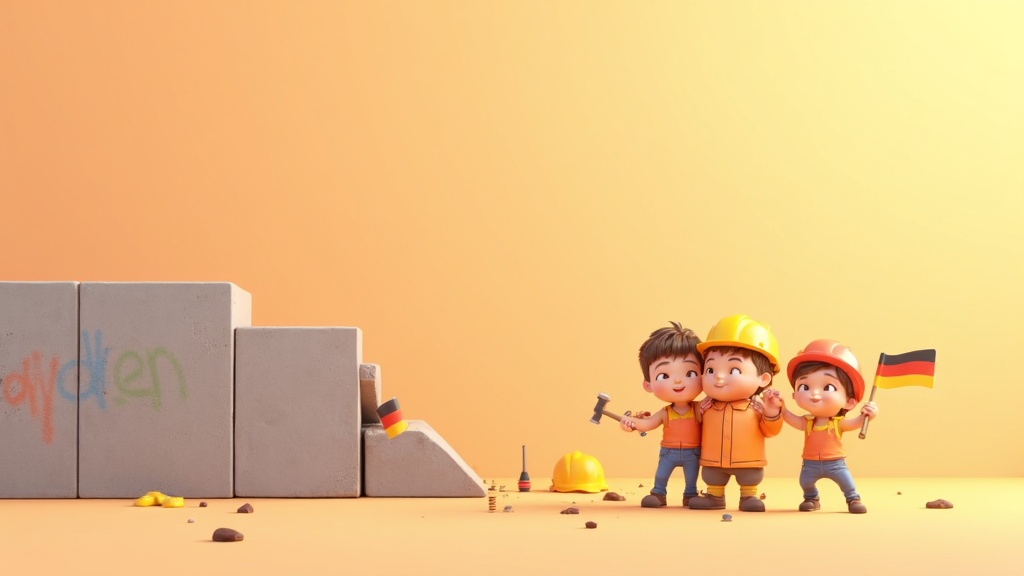
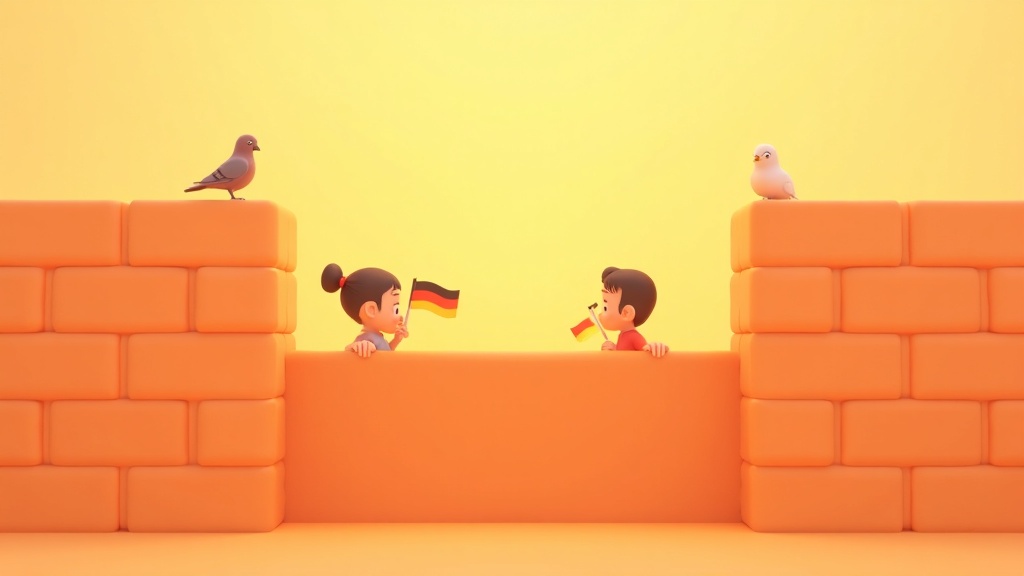
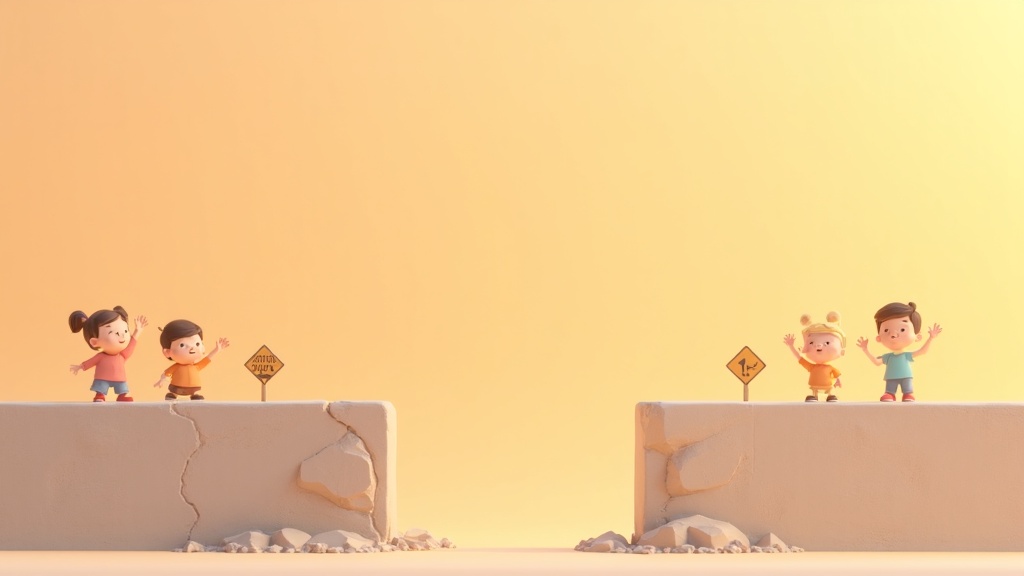
The city of Berlin, Germany, was split into East (Communist) and West (Democratic) zones after the war, and the most famous symbol of the division was the heavily guarded Berlin Wall, built in 1961 to stop people from escaping East Germany!
🎯 Quick Quiz!
What major event signaled the beginning of the end for the Cold War?
Why Did the Cold War Finally End?
The Cold War was incredibly expensive! Both the Arms Race and the Space Race cost both superpowers—especially the USSR—massive amounts of money. Slowly, the Soviet Union started to run out of resources and had trouble managing all the countries it was trying to control.
Things changed fast in 1989 when Eastern European countries started getting rid of their communist governments. The final moment was in December 1991, when the Soviet Union officially broke apart into many separate countries, like Russia. And just like that, the long Cold War was over!
- Arms Race: The constant competition to build more and better nuclear weapons.
- Space Race: Trying to be the first to launch satellites, humans, and land on the Moon.
- Proxy Wars: Fighting indirectly by backing opposing sides in conflicts like the Korean War.
- The Berlin Wall: A physical symbol of the 'Iron Curtain' dividing democratic West from communist East.
Even though it ended decades ago, the rivalry between the US and the USSR still shaped the world we live in today, making the Cold War one of the most important, long-running stories of Modern History for kids to learn about!
Questions Kids Ask About Modern History
Keep Exploring the Modern World!
The Cold War shows us how big ideas can lead to huge global events, even without direct fighting! What incredible challenge will the next generation face? Keep listening to History's Not Boring to find out!