An explorer is someone who travels to unfamiliar places to find new lands or routes. Explorers like Ferdinand Magellan sought faster trade routes for spices, which were worth more than gold! Learn about their brave voyages and tools like the compass.
Have you ever looked at a map and wondered what’s past the edges? What if you could sail to brand-new continents or discover sea routes no one knew existed?
That's exactly what history's most famous explorers did! They were brave adventurers who sailed into the unknown to find new lands, new foods, and new friends. These journeys, sometimes called the Age of Exploration, changed how everyone saw our planet! From the icy north to the vast oceans, these people had a huge thirst for discovery that we can still learn from today for kids!

Finn says:
"Wow! Imagine commanding a fleet of 300 ships, some as long as a football field! That's what the explorer Zheng He did. Talk about a massive adventure!"
What is an Explorer and Why Did They Travel?
An explorer is someone who travels to places that are unfamiliar or where few people have gone before. Think of it like being the first person to explore the playground when it first opens—you get to name the best swings!
People explored for so many reasons! Some, like Leif Erikson, were looking for new places to settle down. Others, like Ferdinand Magellan, wanted to find faster ways to trade for super valuable things like spices—cinnamon, pepper, and cloves were worth more than gold back then!
Scientists, soldiers, and adventurers all joined these trips. They wanted to map the world, learn about new plants and animals, and sometimes, they just wanted the thrill of the journey itself!
Mind-Blowing Fact!
The word 'circumnavigate' means to travel all the way around something! Ferdinand Magellan's expedition was the first to successfully circumnavigate the entire Earth, proving our world is a big, beautiful sphere!
How Did Explorers Navigate the Giant Oceans?
Sailing across oceans without GPS or satellites sounds impossible, right? Explorers had to be super smart about the sky and the sea! They used tools like the compass, which always points North, and the astrolabe, which helped them figure out how far north or south they were by looking at the stars and the sun.
They also relied on their ships! The Vikings, like Leif Erikson, used sturdy longships that were fast and great in rough water. Meanwhile, the Chinese treasure ships of Zheng He were enormous, stable, and built with amazing features like watertight compartments.
Leif Erikson reached North America
Magellan's Circumnavigation
Zheng He commanded
Meet Three Amazing History-Making Explorers!
Let’s zoom in on three explorers who took exploration to a whole new level for kids to learn about!
Leif Erikson: The Viking Who Found Vinland
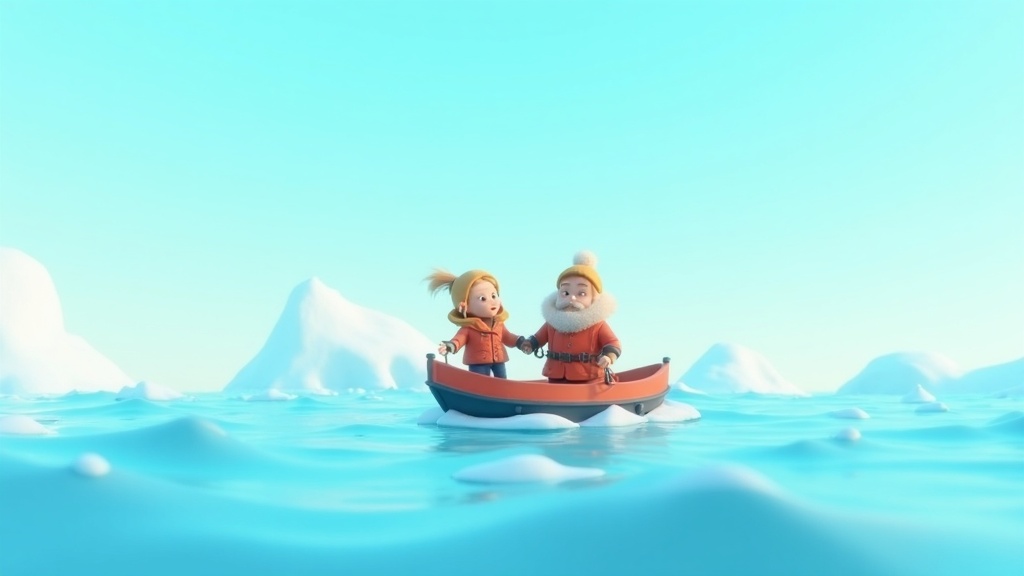
Long before other famous explorers were even born, a Viking named Leif Erikson sailed from Greenland. Around the year 1000 CE, he landed in what is now Canada! He named the place 'Vinland' because he found wild grapes there.
Leif and his crew built small shelters and stayed for a winter. While the Vikings didn't stay forever, Leif Erikson is often credited as the first European to step foot on the North American continent!
Zheng He: Commander of the Treasure Fleet
In the early 1400s, long before Europeans were sailing far, China was sending out massive fleets led by Admiral Zheng He. He made seven huge voyages across the Indian Ocean.
His ships were famous—some were over 400 feet long! Zheng He brought gifts like silk and porcelain and brought back amazing things like giraffes and zebras to show the Chinese Emperor. He showed the world the power and wonder of China!
Ferdinand Magellan: Sailing the Whole World
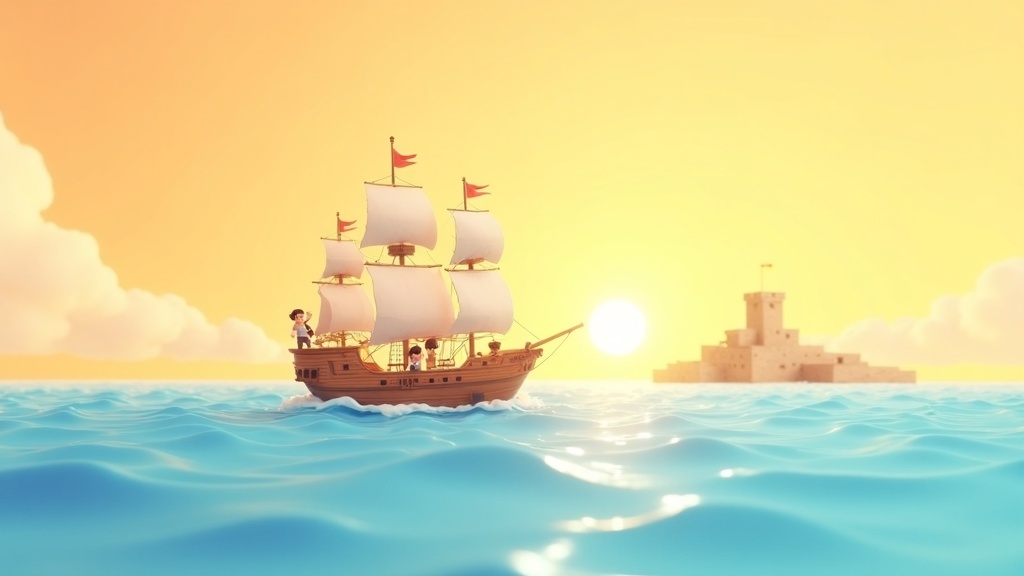
Ferdinand Magellan, a Portuguese explorer sailing for Spain, wanted to find a western route to the Spice Islands. In 1519, he set off with five ships. He discovered the tough passage at the bottom of South America, now called the Strait of Magellan, which led to the huge Pacific Ocean.
Though Magellan was tragically killed in the Philippines, one ship, the Victoria, made it back to Spain in 1522 with only 18 sailors left! They had completed the first trip around the world!
💡 Did You Know?
Christopher Columbus, who sailed in 1492, is famous for reaching the Americas, but historical evidence shows that Leif Erikson was there about 500 years earlier! Exploration history is full of surprises!
🎯 Quick Quiz!
What did Leif Erikson call the North American land where he found wild grapes and berries?
Why Should We Still Care About Old Explorers?
These explorers pushed the limits of what people thought was possible. They didn't have cell phones or GPS, but they used courage, math, and teamwork to cross vast, scary spaces.
Their journeys connected continents, started new types of trade, and, most importantly, they helped create the maps we use today! They teach us that being curious and brave can lead to incredible discoveries.
- Courage: Facing storms, unknown seas, and new challenges every single day.
- Navigation Skills: Using stars and simple tools to stay on course across huge oceans.
- Diplomacy (and Trade): Zheng He's voyages were about sharing culture and making peaceful connections as much as they were about sailing.
- Record Keeping: Sailors like Antonio Pigafetta wrote detailed journals so we could learn about the amazing things they saw.
Whether they sailed in giant Chinese junks or small Viking longboats, these famous explorers showed us that the world is huge, exciting, and always waiting for the next brave person to discover a little more of it. They truly made history not boring for kids!
Questions Kids Ask About Explorers
Keep Your Compass Pointing Forward!
You are a history explorer right now, learning about these amazing adventurers! What amazing discovery will YOU make one day? Keep asking questions and keep being brave like Erikson, curious like Zheng He, and determined like Magellan!