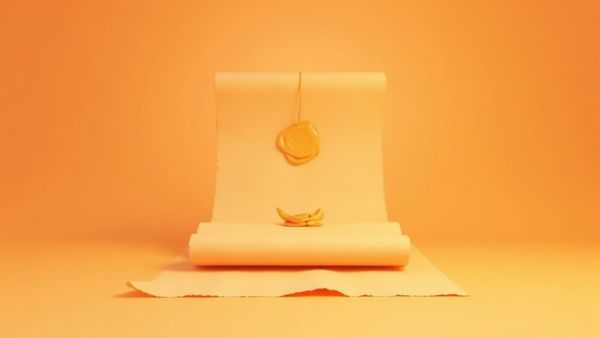
The Magna Carta, or 'Great Charter,' was a peace treaty signed by King John of England in 1215 to limit the king's power. It originally contained 63 rules written in Latin. These rules established the vital idea that even a ruler must follow the law, forming a foundation for modern justice.
What if your principal could change the rules every single day—like deciding you had to do double homework just because they felt like it? Sounds unfair, right?!
Well, a long, long time ago in England, things were even crazier! Kings had almost total power, and their word was the law. But that all started to change way back in June 1215 when a group of very powerful noblemen—called barons—stood up to the incredibly unpopular King John. They forced him to sign a special document called the Magna Carta, which means “Great Charter” in Latin. This one piece of writing became one of the first big steps in history toward the idea that even a king must follow the law! This is a HUGE moment in British History!
Mira says:
"Imagine arguing with your teacher, but instead of just getting a bad grade, the teacher could take your favorite toy! The Magna Carta helped stop kings from being total bullies by making them follow the same rules as everyone else. It's like putting the King in time-out!"
What is the Magna Carta, Anyway?
The Magna Carta was essentially a peace treaty between King John and his angry barons. It was written down on parchment (a special kind of animal skin) and originally had 63 rules, or clauses, written in Latin. The barons were fed up because King John kept taking their money (taxes) and land without asking, often to pay for his expensive and losing wars in France. These powerful noblemen decided enough was enough and got ready for a big fight, or civil war, to get their rights back!
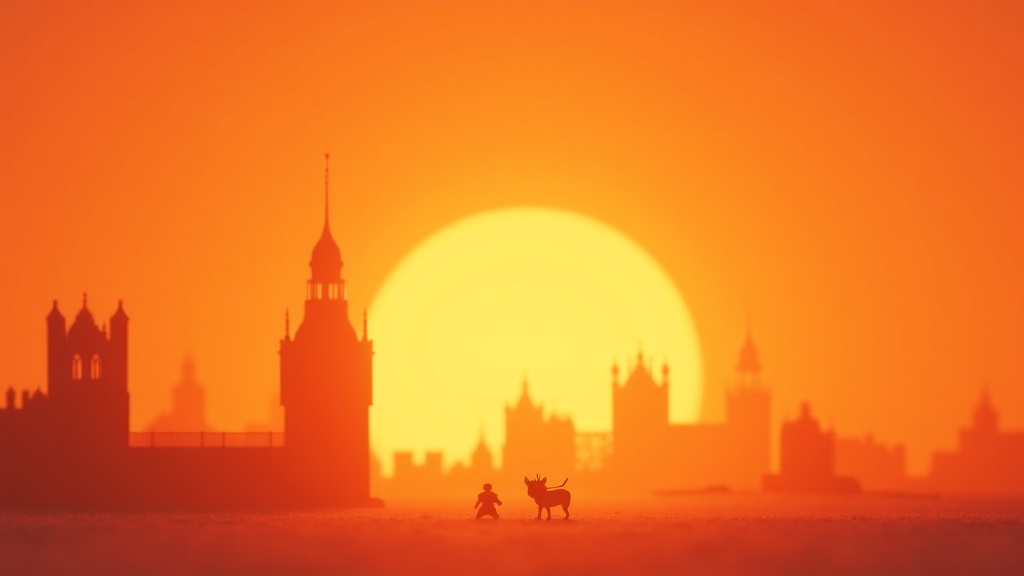
The big meeting happened in a meadow called Runnymede, near the River Thames, on June 15, 1215. That’s over 800 years ago! King John didn't really want to sign it, but since almost all his followers ditched him, he was too weak to fight the barons, so he put his royal seal on the document. It was an incredible moment where the powerful people forced the ruler to agree that he wasn't above the law.
Mind-Blowing Fact!
Even though King John promised to follow the Magna Carta, he didn't! Just three months later, he asked the Pope (the head of the Church at the time) to cancel it, which the Pope did. Oops! This led straight into the First Barons' War.
How Many Rules Are Still the Law Today?
The Magna Carta was full of rules about the specific problems of that time, like fishing rights and paying dues to the King. Because of this, most of the 63 rules are not used today. However, a few super-important ideas survived and are still part of the law in England and Wales even now!
The most famous ideas that people talk about for kids today are all about *justice* and *fairness*. These rules limited the King’s power to just throw people in jail or take their stuff whenever he felt like it.
In the 1215 Document
At Runnymede Meadow
In England & Wales
The Document Was Signed
How Did the 'Fair Trial' Rule Change History?
The most important part of the Magna Carta, the one we still hear about, is Clause 39 (or similar numbers in different versions). It said something amazing for the time:
Here is the idea translated so it makes sense for us: 'No free person shall be arrested, imprisoned, or lose their rights or belongings... unless a group of their equals judges them fairly, or if the law of the land allows it.' This is the beginning of the idea of a fair trial and being judged by a jury of your peers—a jury of people who are like you!
This rule meant the King couldn't just point at someone and say, 'You're guilty!' Without a lawful judgment, the King couldn't take away your freedom or property. This was a huge check on the King’s 'force and will' rule. For the first time, the people had written proof that the King had to follow the law too!
💡 Did You Know?
The Magna Carta didn't actually help *everyone* back in 1215. Most people were unfree peasants, often called 'villains,' and the rights mainly protected the 'free men'—the barons and wealthy people! But over hundreds of years, people kept reading these words and realizing that 'no free man' should eventually mean *everyone*.
🎯 Quick Quiz!
Where did King John sign the Magna Carta in 1215?
Who Else Was Affected by the Great Charter?
While the focus is often on the King, the Magna Carta also helped other groups gain rights that limited royal power:
It protected the freedom of the English Church from the King interfering.
It protected merchants by making sure they could travel safely across England to trade without being stopped by unfair local tolls (fees).
It gave some protection to widows who inherited property, meaning the King couldn't force them to marry someone they didn't want to just so he could get control of their land.
- Rule of Law: The most important idea—no one, not even the King, is above the law!
- Fair Legal Process: The right to justice and a fair trial by a jury of your equals.
- Limited Taxation: The King couldn't just invent new taxes whenever he wanted; he needed the consent of his powerful nobles (the general consent of the realm).
Even though it started as a deal between a King and his rich barons, the Magna Carta became a symbol! Over many centuries, people kept looking back at this document and using its powerful words to argue for more freedom, influencing important documents all the way to the United States Constitution! That’s why the Magna Carta for kids is still one of the most famous papers in the world!
Questions Kids Ask About British History
Keep Exploring the Power of the Past!
Isn't it amazing how an argument between a king and his barons 800 years ago can still matter to you today? The Magna Carta shows that people fighting for fairness can actually change the world. Keep learning about these incredible moments in history, because understanding the past helps us build a fairer future!