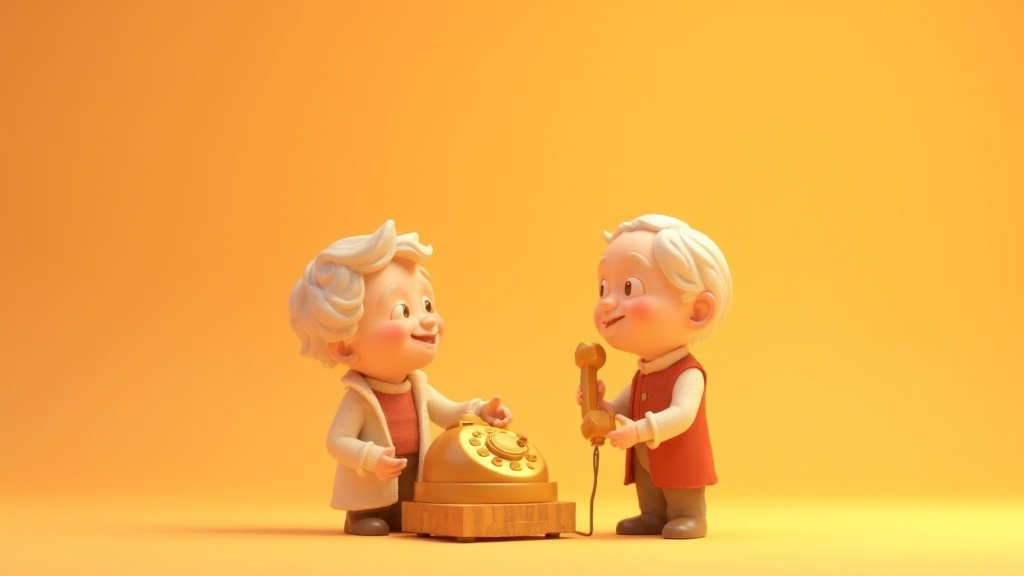

The first successful airplane was invented by the Wright Brothers (Wilbur and Orville). Unlike balloons or gliders, their machine was heavier-than-air, used an engine for power, and featured key steering control. They flew 120 feet on December 17, 1903, starting the Age of Aviation!
Have you ever looked up at a huge airplane soaring through the clouds and wondered, "Who was the first person brave enough to fly one of those things?"
It’s one of history’s most amazing achievements—leaving the ground and flying like a bird! While many people dreamed of flying, the credit for inventing, building, and successfully flying the world's first powered airplane goes to two determined brothers: Wilbur and Orville Wright! These inventors from Dayton, Ohio, didn't just get lucky; they used science, hard work, and a little bit of bicycle shop know-how to change the world forever on December 17, 1903! This day marked the true beginning of the Age of Aviation, a journey that took humanity from dreaming to soaring!
Finn says:
"Wow, a toy helicopter that actually flew? That's like getting a tiny race car when you're a kid! I bet that little toy showed Wilbur and Orville that flying was possible!"
What is an Airplane, Really?
Before the Wright brothers, people sometimes flew in things like hot air balloons, which float up because the air inside is heated and lighter than the air outside. They also tried gliders, which are like giant kites without an engine.
But an *airplane* is different! An airplane is a heavier-than-air machine that uses an engine for power and has fixed wings (wings that don't flap) to push it through the air so fast that it lifts off the ground.
The Wright brothers knew that building something that could *lift* wasn't enough. The real puzzle was figuring out how to control it once it was up there! They needed a way to steer left, right, up, and down, just like you steer a bike.
Mind-Blowing Fact!
Wilbur and Orville got their big inspiration from a toy helicopter their father brought home when they were young! It was made of paper, bamboo, and cork, powered by a rubber band.
The Secret Ingredient: Three-Axis Control!
This is the super important part that made the Wright Flyer the first *truly* successful airplane. It wasn't just the engine or the wings—it was the steering system they invented! They called it three-axis control because it controlled the plane along three different lines: up/down, side-to-side, and turning its nose.
They were inspired by watching birds! When a bird wants to turn, it twists its wings slightly. The brothers copied this idea and called it wing-warping!
This system allowed the pilot to roll, pitch, and yaw, which meant they had sustained and controlled flight, not just a quick hop!
Duration of the first flight
Traveled on the first flight
During the first flight
Achieved on the fourth flight that day
How Did They Practice for the Big Day?
You can’t just build a plane and expect it to fly perfectly! The Wright brothers were smart scientists. They knew they needed a perfect place to test their ideas for years before 1903.
They chose Kitty Hawk, North Carolina, because it had steady, strong winds perfect for lifting their gliders, and soft sand dunes for safer crashes!
They didn't just hop in a plane. They spent years testing bigger and better gliders. They even built their own wind tunnel in their shop to test different wing shapes, just like scientists do today!
The Four Flights of December 17, 1903
On that famous morning, after winning a coin toss, Orville took the controls for the very first attempt! They flew four times, each one getting a little better. The longest flight of the day was made by Wilbur, staying in the air for 59 seconds and traveling 852 feet—that’s longer than half a football field!
💡 Did You Know?
The first plane, called the *Wright Flyer I*, was made mostly of wood (spruce and ash) and cotton cloth, which was sealed with something like sailors used on their sails! It was rigged together with bicycle spoke wire!
🎯 Quick Quiz!
What job did Wilbur and Orville Wright have before they became famous for inventing the airplane?
Who Deserves the Credit?
While the Wright brothers are famous for the first *controlled, powered* flight, there were other smart people experimenting too! Names like Samuel Langley, who built a machine that barely flew before them, were also trying to conquer the air.
However, the Smithsonian Institution eventually agreed that the Wright brothers were the first to achieve a successful, controlled, sustained flight with their *Wright Flyer I*.
It's important to remember that inventors often build on each other's ideas. The Wright brothers studied the work of others, like the glider pilot Otto Lilienthal, but their unique control system was the key breakthrough for kids like you to learn about today!
- Wing-Warping: Twisting the wings to roll left or right.
- Elevator: A front wing used to pitch the nose up or down.
- Rudder: A back fin used to turn the nose side-to-side (yaw).
- Custom Engine: Since they couldn't buy one light enough, they designed and built their own lightweight gasoline engine!
Even though they changed the world, Wilbur and Orville remained humble. Wilbur once joked that he didn't have time for both a wife and an airplane! Their incredible success paved the way for everything from mail delivery to space travel—just think how far we've come from that tiny 12-second flight!
Questions Kids Ask About Inventions
Keep Exploring the Skies!
Now you know the incredible story of how two determined brothers, who loved tinkering with bikes and studying birds, gave us the gift of flight! History is full of people who turn impossible dreams into reality through science and hard work. Next time you look up, give a little cheer for Wilbur and Orville!