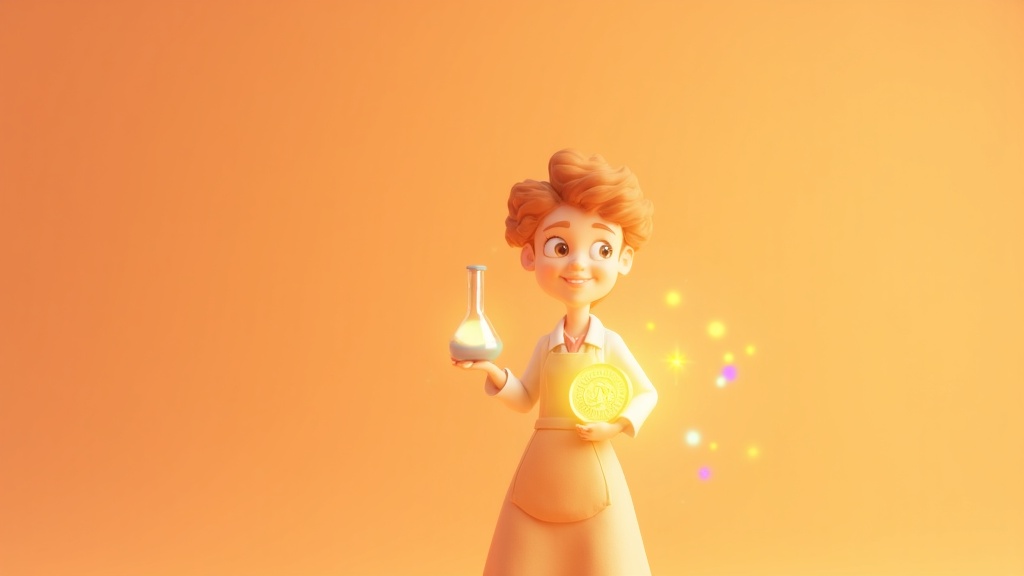
Florence Nightingale was the founder of modern nursing, who believed cleanliness and training were essential for healing the sick. She led 38 nurses during the Crimean War (1854) to drastically cut death rates in chaotic military hospitals. Her work made hospitals safer for everyone.
Have you ever imagined a world where getting hurt in a hospital was more dangerous than getting hurt in a battle? Yikes! Well, for a long time, that was sadly true for many soldiers.
But one incredible woman decided that wasn't good enough! Her name was Florence Nightingale, and she was born way back on May 12, 1820, in a beautiful city in Italy that gave her her name. Florence was part of a wealthy family, but she didn't want to spend her life just going to fancy parties. She felt a special calling—a mission from above, she believed—to help sick and hurt people. She is famous for being the founder of modern nursing and for her brave work during the Crimean War!

Mira says:
"Wow, Finn! So, she gave up being rich and comfortable to take care of sick people? That sounds like the bravest job ever! It’s like choosing an adventure where your superpower is caring!"
What is Nursing, Really?
Before Florence Nightingale, being a nurse wasn't seen as a real, important job. People thought anyone could do it, and hospitals were often very messy and scary places. Florence believed that nursing was a job that needed training, skill, and a whole lot of compassion.
She thought that clean air, clean water, good food, and a clean place to lie down could make sick people much better, even faster! This idea—that the environment matters for healing—was revolutionary for kids and adults to hear back then. She wanted nurses to be trained experts in these simple but powerful ideas.
Mind-Blowing Fact!
Fun Fact: Florence Nightingale was so good with numbers and charts that she was elected the first female member of the Royal Statistical Society in 1859! She used charts to *show* people how bad things were.
The Crimean War: Where Florence Became a Hero
When the Crimean War started in 1854 (that was a long time ago!), many British soldiers got very sick or hurt. The military hospitals in a place called Scutari (in modern-day Turkey) were a disaster. They had almost no clean supplies, the sewers were broken, and soldiers were dying from sicknesses like typhus and cholera way more often than from their actual battle wounds!
A government official asked Florence to take a small team of nurses—just 38 nurses—to help. When they arrived, they were shocked! But Florence and her team didn't run away. They got straight to work cleaning, organizing, and caring for every single soldier like they were a best friend.
During her first winter at the hospital in Scutari
From preventable diseases than from battle wounds
She founded the first professional nursing school at St Thomas' Hospital
The Lady with the Lamp
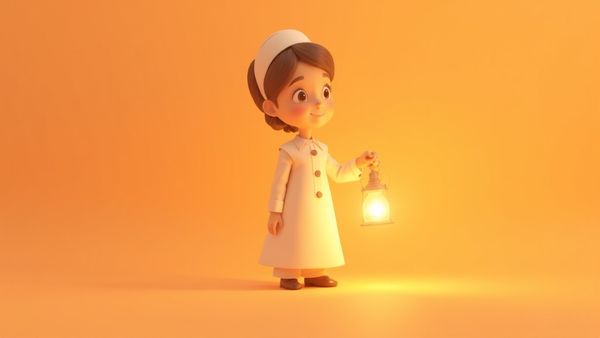
Because the hospitals were so dark, Florence would often walk around at night, carrying a small lamp to check on the sleeping soldiers and make sure they were okay. The grateful soldiers started calling her "The Lady with the Lamp." This sweet nickname stuck with her forever and showed how much people loved her kindness and dedication.
She didn't just clean; she also used math! Florence created special diagrams, like pie charts, to show the government exactly how many soldiers were dying from bad conditions. When people saw the shocking pictures made of numbers, they finally agreed to change the rules.
Florence’s 5 Big Health Rules (For Kids to Remember!)
In her famous book, *Notes on Nursing*, Florence listed simple rules for keeping everyone healthy. These are still important today!
1. Pure Air: Make sure the room has fresh, clean air moving through it.
2. Pure Water: Always use clean drinking water for patients.
3. Efficient Drainage: Make sure yucky stuff drains away and doesn't stay near the sick.
4. Cleanliness: Wash hands, change sheets, and keep everything sparkling!
5. Light: Let the sunshine in! Light helps people feel better too.
💡 Did You Know?
Did You Know? International Nurses Day is celebrated every year on May 12th, which is Florence Nightingale's birthday! It’s a day to thank all the amazing nurses in the world.
🎯 Quick Quiz!
What was Florence Nightingale’s nickname because she carried a light at night?
Florence’s Awesome Legacy: Making Nursing a Profession
When Florence returned from the war, she was a total celebrity! People raised money for her, and she used it to start the Nightingale Training School for Nurses at St. Thomas' Hospital in 1860. This was the very first school that taught nursing as a serious profession for women.
She proved that caring for people wasn't just something you did; it was something you learned to do perfectly. She also helped make hospitals better for everyone, not just soldiers, by designing them with better windows for light and air. Her hard work means that nurses today are respected, trained experts everywhere you go!
- She wrote over 150 books and reports about health!
- She was honored with the Order of Merit in 1907, making her the first woman to ever receive it!
- She helped pioneer the use of statistics (using numbers to prove a point) in healthcare reform.
- The Florence Nightingale Medal is given every two years to excellent nurses around the world.
Florence Nightingale lived to be 90 years old, passing away in 1910. Even though she was often ill in her later life, she never stopped fighting for better healthcare for everyone. She truly changed the world, one clean bandage and one caring night round at a time!
Questions Kids Ask About Famous People
Keep Exploring!
Florence Nightingale showed us that you don't need to be a general or a king to change history—you just need a big heart, a strong will, and maybe a lamp! What mission will *you* choose to make the world a better place? Keep learning, keep caring, and keep listening to History's Not Boring!