
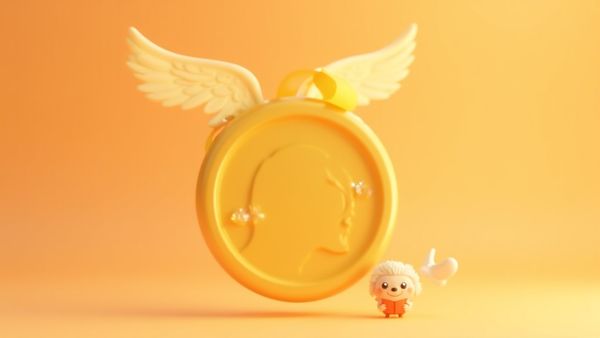
The Nobel Prize was created by Swedish inventor Alfred Nobel after he read a premature obituary calling him the 'merchant of death.' He invented dynamite in 1867 and held 355 patents. This award honors incredible achievements in science, literature, and peace to leave a positive legacy.
Have you ever heard of an award so special that winning it makes you famous forever for doing something truly amazing for the world?
Well, that’s exactly what the Nobel Prize is! It’s one of the most famous awards on Earth, honoring incredible achievements in science, literature, and peace. These amazing prizes started because of one very smart, very rich Swedish inventor named Alfred Nobel. Alfred Nobel was a super-inventor who lived a long time ago, born on October 21, 1833! He didn't just invent one thing; he held about 355 patents in his lifetime. But the thing he is *most* famous for inventing changed the world—and made him incredibly wealthy—it was dynamite!

Mira says:
"Wow, an inventor who created a powerful explosive *and* the Peace Prize? That’s a big contrast! It shows that people can be complicated and that they can change their minds about how they want to be remembered."
What is Dynamite and Why Did It Matter?
Imagine a liquid so explosive it was super dangerous to even move—that was nitroglycerin! Alfred Nobel was determined to find a way to make it safe so people could use it for building things, like digging tunnels or building roads.
He mixed the liquid with a special type of soil called kieselguhr (which is like very fine, powdery rock) and bam! He invented dynamite in 1867! Dynamite was much safer to handle, which was huge for building projects all over the world. Nobel used his invention to become a big businessman, opening factories in 20 countries!
This invention was super important for construction, but explosives can also be used in war. Nobel knew his invention could be used to hurt people, which started to make him think hard about his legacy—what people would say about him after he was gone.
Mind-Blowing Fact!
Alfred Nobel actually got an honorary award from the Royal Swedish Academy of Sciences for his inventions, and he was super proud of it! Some historians think this made him realize how much he wanted to reward great achievements himself.
The Shocking Obituary That Changed Everything
Here’s the craziest part of the story! In 1888, Alfred’s brother, Ludvig, passed away. A French newspaper accidentally mixed them up and printed a story saying Alfred Nobel had died!
The headline was something like: “Le marchand de la mort est mort,” which means “The merchant of death is dead!” The article said he became rich by *“finding ways to kill more people faster than ever before.”* Yikes! This premature obituary really shook Alfred Nobel to his core.
The number of inventions Nobel registered!
The year he wrote his famous last will.
The year the first Nobel Prizes were given out.
How Did He Decide What to Reward?
Alfred Nobel did not want to be remembered as the 'merchant of death.' He wanted his fortune to help the world instead of just blowing things up! He decided to use most of his money—about 94% of his wealth—to create prizes for people who brought the “greatest benefit to humankind.”
The Five Original Categories
In his last will, signed on November 27, 1895, Nobel carefully laid out five areas he wanted to honor.
He wanted to reward: Physics (the study of energy and matter), Chemistry (the study of what things are made of), Physiology or Medicine (the study of the body and health), Literature (for the most outstanding work in an ideal direction), and Peace (for work promoting fellowship among nations and reducing armies!).
💡 Did You Know?
It took a few years after Nobel’s death in 1896 for everyone to agree on the will, but the very first Nobel Prizes were finally handed out on December 10, 1901—the fifth anniversary of his death!
🎯 Quick Quiz!
What was the main, immediate reason Alfred Nobel decided to create the Nobel Prizes?
Who Decides Who Wins the Prize Today?
You might think Alfred Nobel decided, but he didn't! He named different important groups to pick the winners. For example, the Swedish Academy of Sciences picks the Physics and Chemistry winners, and a committee chosen by the Norwegian Parliament picks the Peace Prize winner!
Nobel made one very important rule: the prize should go to the worthiest person, no matter where they are from—no judging by nationality!
- Peace Prize Inspiration: Nobel was heavily influenced by his friend, the Austrian peace activist Bertha von Suttner, who wrote the book *Lay Down Your Arms*.
- The Sixth Prize: In 1968, a prize for Economic Sciences was added, funded by Sweden's central bank, though it’s slightly different from the original five.
- The Award Today: Winners (called laureates) receive a beautiful gold medal, a diploma, and a big cash prize—which is often around $1 million USD!
So, the Nobel Prize was created because a brilliant inventor, worried about how he would be remembered after creating powerful explosives, decided to use his huge fortune to encourage humanity to be its absolute best in science, art, and peace! It’s a fantastic example of turning a tough situation into a lasting gift for the whole world for kids and adults to learn about!
Questions Kids Ask About Famous People
Keep Thinking Big!
Alfred Nobel’s story shows us that the things we create can have big impacts, and we always have the power to choose what kind of impact we want to leave behind. Keep learning about science, literature, and peace, because *you* might be the next big idea the world needs!