The Great Fire of London was a massive blaze that burned through the city starting September 2nd, 1666, after starting in a bakery on Pudding Lane. Over 13,200 houses were destroyed in just four days! Samuel Pepys' diary lets kids experience this dramatic moment in British history firsthand.
Imagine waking up to the smell of smoke... but this isn't a campfire—it's your whole city on fire! Welcome to London in 1666!
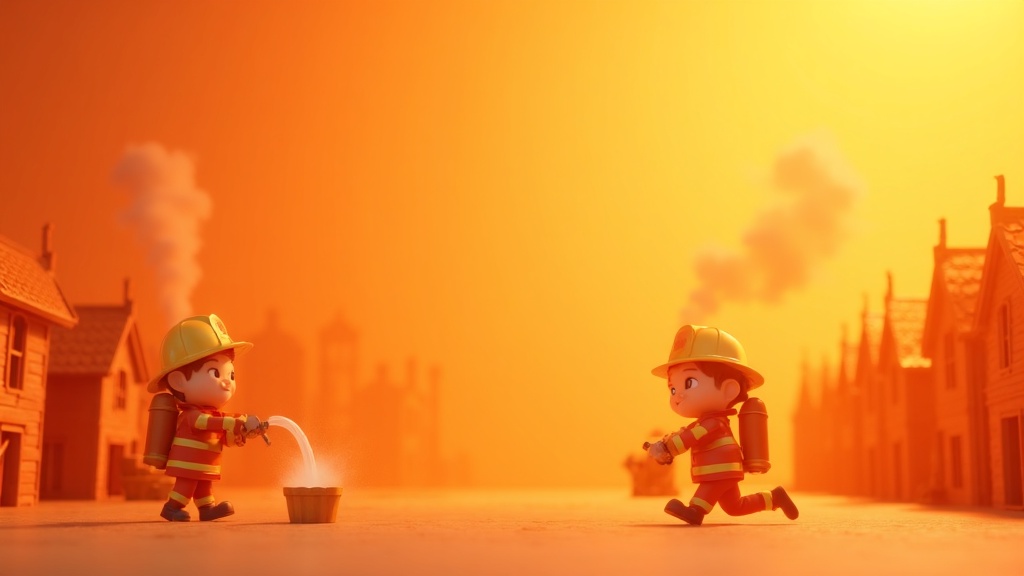
For four terrifying days, a massive blaze ripped through the heart of London. This was the Great Fire of London! It started accidentally in a bakery on Pudding Lane on Sunday, September 2nd, 1666. The houses were made of wood and packed super close together, making it a disaster waiting to happen. Luckily for us, a man named Samuel Pepys kept a secret diary! His writings are the reason we know so much about this wild event for kids today.

Mira says:
"Wow, Samuel Pepys must have been so brave to keep writing even when a giant fire was roaring nearby! His diary is like a secret time machine for historians!"
What Was London Like Before the Fire?
Before the fire, London was a bustling, crowded place, but it was also a giant tinderbox! Most buildings were made of oak timber and covered in pitch, which is super flammable. They had thatched roofs, which are like dry straw hats for houses!
The streets were narrow, with houses leaning over so much that the top floors almost touched across the road. This meant fire could easily jump from one building to the next! Plus, the summer of 1666 had been very hot and dry, so everything was ready to burn.
Mind-Blowing Fact!
The Great Fire started in the bakery of Thomas Farriner, the King’s baker! He didn't put out his oven properly before going to bed, and sparks ignited the wood nearby.
How Big Was the Damage in 1666?
When the fire finally calmed down on Wednesday, September 5th (or Thursday, depending on who you ask!), the damage was unbelievable. The fire devoured huge parts of the medieval city inside the old Roman walls.
The Mayor at the time, Sir Thomas Bloodworth, didn't take the fire seriously at first, sadly saying a woman could 'piss it out'!
Leaving 70,000 people homeless!
Including the famous Old St. Paul's Cathedral!
That's a massive area!
How Did Samuel Pepys See It All?
Samuel Pepys worked for the Navy and lived near the Tower of London. When the fire started early Sunday morning, his maid woke him up. At first, he thought it was far away, but soon he saw an 'infinite great fire'!
Pepys realized this was HUGE. He took charge of protecting his most important things. He put his wife on a boat to safety and then buried his valuables, like his money, cheese, and wine, in his friend's garden to keep them safe from the flames.
Telling the King and Fighting Back
Because Pepys knew important people, he went straight to King Charles II. The King quickly ordered soldiers to start the most important firefighting technique: making firebreaks by blowing up buildings with gunpowder to stop the fire's path.
Pepys even wrote that he saw the King and his brother, the Duke of York, manning the water pumps themselves to encourage the tired citizens! It was a desperate, all-hands-on-deck effort to save the rest of London.
💡 Did You Know?
Even though so many buildings burned, only about six deaths were officially recorded! Some historians think the heat was so intense that it actually burned up the victims, leaving no remains to be counted.
🎯 Quick Quiz!
Where did the Great Fire of London famously begin?
Why is Samuel Pepys’ Diary So Important?
Samuel Pepys wrote his diary using shorthand, which is like a secret code! He didn't want anyone to read his private thoughts while he was alive, which is why he wrote down EVERYTHING—from the scary flames to how frightened people were.
Historians love his diary because it gives us a personal, first-hand view of the disaster. We know what the air looked like, how people panicked, and what the King did, all because of his secret notes!
- Secret Code: Pepys wrote in shorthand, which wasn't cracked until 150 years after the fire!
- The View: He climbed the steeple of Barking Church to see the 'saddest sight of desolation'.
- The Aftermath: His diary describes the homeless camping out in Moorfields park, just north of the ruined city.
After the fire, the amazing architect Sir Christopher Wren led the rebuilding of London, including the new St. Paul’s Cathedral! The site where the fire started is now marked by The Monument, a tall column built between 1671 and 1677 to remember the tragedy and the city's rebirth.
Questions Kids Ask About British History
A City Reborn!
Even though the Great Fire was a huge disaster, it actually helped make London safer! The new buildings were made of stone and brick, not just wood. Thanks to amazing eyewitnesses like Samuel Pepys, we can travel back in time and learn exactly what happened that fiery week in 1666!