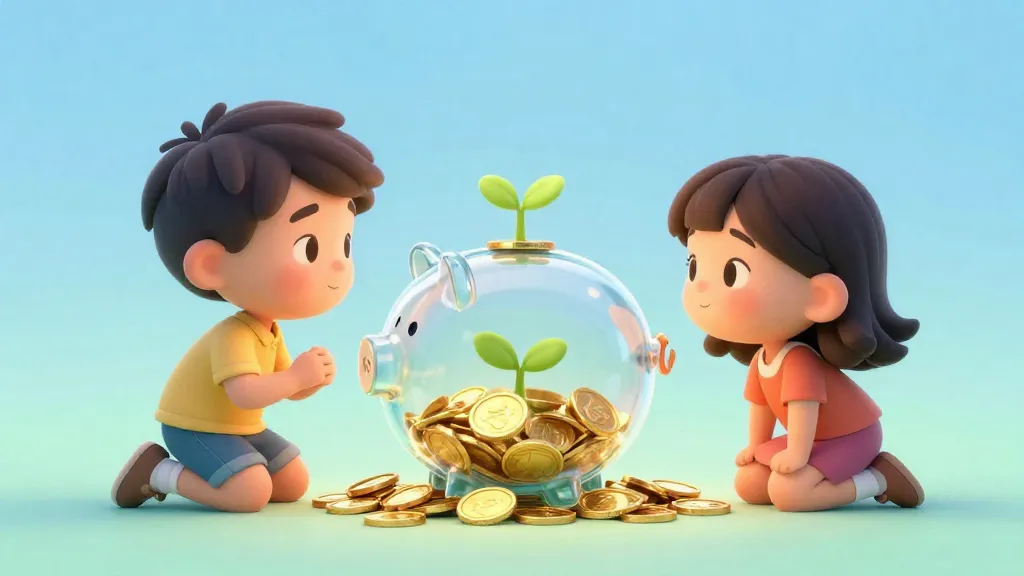
Imagine you save just £1 every day. That is less than the cost of a packet of crisps or a chocolate bar.
After just one year, you would have £365. If you put that money in the right place, it can actually start earning more money for you while you sleep. Saving is the art of choosing your future self over your present self, and it is the most powerful money skill you will ever learn.
What is Saving Anyway?
Most people think saving is just about not spending. They think it means saying 'no' to the things you want right now. But that is only half the story. Saving is actually a way to say 'yes' to much bigger, cooler things later on.
Think of it like a video game. You can spend your experience points now on small health potions, or you can save them up to unlock a massive superpower or a legendary sword. Saving money works exactly the same way.

Mira says:
"Think of saving like charging a super-battery. You are storing up all that power now so you can use it for something massive later!"
When you save, you are building financial freedom. This means you have choices. If you spend every penny you get the moment you get it, you are stuck. If you save, you have the power to handle surprises or buy that one big thing you have been dreaming about.

Do not save what is left after spending, but spend what is left after saving.
The Golden Rule: Pay Yourself First
This is the secret weapon of the world’s wealthiest people. Most kids get their pocket money, spend it on treats, and then try to save whatever is left. The problem? Usually, there is nothing left!
Paying yourself first means that as soon as you get any money, you put a portion of it into your savings before you do anything else. It is like taking the first bite of a pizza and putting it in the fridge for tomorrow before you share the rest with your friends.
The Power of Small Amounts: - Save £1 per day: £365 per year - Save £5 per week: £260 per year - Save £10 per month: £120 per year Even small changes in your habits can add up to hundreds of pounds by next year!
By doing this, you make saving a habit rather than a chore. Even if you only save a small amount, like 10% of what you earn, you are training your brain to build wealth. You are making sure your future self is looked after first.
Try the 'Three Jar' method! Get three empty jars and label them: SAVE, SPEND, and GIVE. Every time you get money, split it between the three. This helps you save for the future while still having money for fun today.
Where Should You Keep Your Money?
Not all saving spots are created equal. Depending on how old you are and what you are saving for, you have three main choices. Each one has its own special purpose.
- The Piggy Bank (or Jar): This is best for small goals or money you might need very soon. It is great because you can see the pile of coins growing right in front of your eyes.
- A Savings Account: This is a safe place at a real bank. The bank actually pays you a little bit of extra money, called interest, just for keeping your money there. This is where your money starts working for you.
- An Investment Account: This is for long-term saving, like for a car or even university. Money here can grow much faster, but it is meant to stay there for a long time.

Finn says:
"Wait, if I put my money in a savings account, is it just sitting there in a vault with my name on it?"
Watch Your Money Grow
How does a small amount of money become a mountain of cash? It happens through something called compound interest. This is when the bank pays you interest on your savings, and then the next month, they pay you interest on your savings plus the interest you already earned.
It is like a snowball rolling down a hill. At first, it is small and moves slowly. But as it rolls, it picks up more snow, gets heavier, and starts growing faster and faster. This is why it is so important to start saving as early as possible.
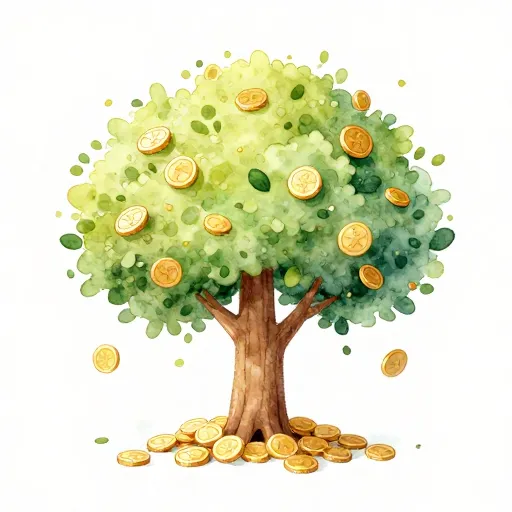
Imagine you have a magical tree. Every time you pick a fruit, two more grow back in its place. That is what compound interest feels like! The longer you leave the fruit on the tree, the more it multiplies.
The earlier you start, the less work you have to do later. Time is the greatest friend a saver can have.

A penny saved is a penny earned.
Setting Your Saving Goals
It is much easier to save when you know exactly what you are saving for. Without a goal, saving can feel like a boring rule. With a goal, it feels like a countdown to a celebration! Most expert savers split their goals into three categories:
- Small Goals: Things you can buy in a few weeks, like a new book or a cinema ticket.
- Medium Goals: Things that take a few months, like a LEGO set or a new video game.
- Large Goals: Big dreams that might take a year or more, like a new bike or a high-tech tablet.
Finn says:
"I want to save for a bike, but I also really want an ice cream today. How do I decide which one is more important?"
Buying a small toy every week feels good right now, but you never have enough for the big LEGO set you actually want.
Skipping the small toys for a few months might be tough, but the feeling of finally buying that massive LEGO set is incredible!
The Simple Framework for Success
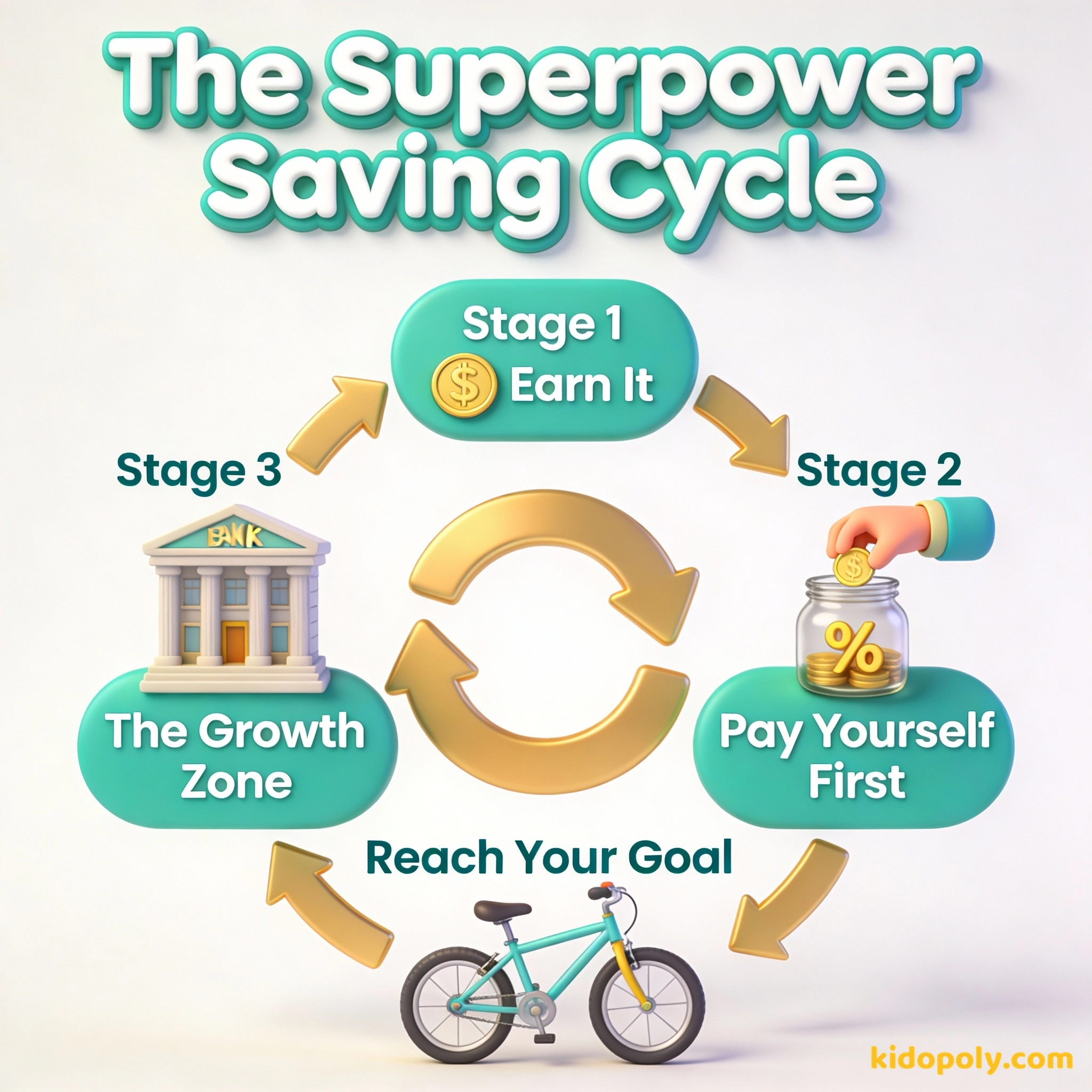
Ready to start your journey to becoming a saving expert? It really comes down to three simple steps that you can start today. You do not need a lot of money to begin, you just need a plan.
- Earn: Whether it is pocket money, birthday cash, or doing extra chores, find ways to bring money in.
- Set Aside: Use the 'Pay Yourself First' rule. Decide on a percentage (like 20%) and put it away immediately.
- Watch it Grow: Keep track of your progress. Use a chart on your wall or a banking app to see your total getting bigger every week.

A part of all you earn is yours to keep.
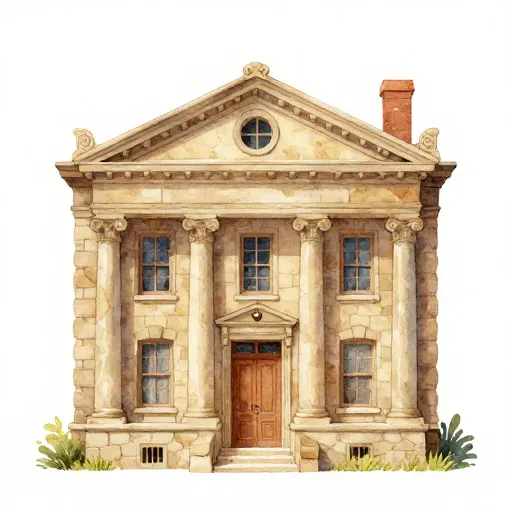
Did you know that the world's oldest savings bank was started in Scotland in 1810? It was created to help people who didn't have much money save for their future, showing that saving has been a superpower for over 200 years!
Something to Think About
If you could save up for one thing that would make your life more exciting, what would it be?
There is no right or wrong answer here! Some people save for big adventures, some for cool gadgets, and some just for the peace of mind of having money in the bank. What matters most to you?
Questions About Saving
How much of my pocket money should I save?
Is it better to save in a jar or a bank?
What if I really want to spend my savings on something else?
You Are Now a Future Saver!
You have learned that saving isn't about giving things up: it is about gaining the power to choose your own future. Whether you start with 10p or £10, the most important thing is to start today. Want to see where to put your new savings? Check out our guide to savings accounts for kids to find the best home for your money!